
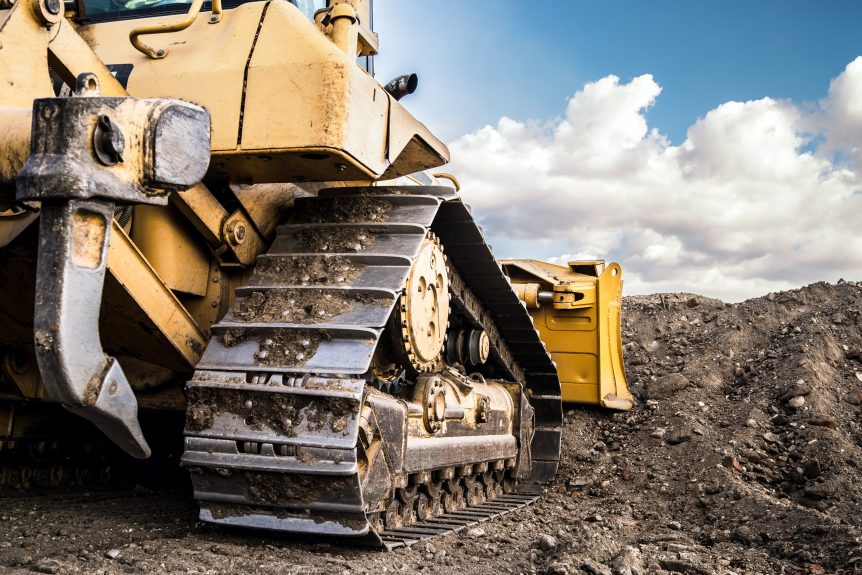
Construction sites, bustling with heavy machinery, are inherently hazardous. Heavy equipment accidents often result in severe injuries or fatalities, making safety paramount. Adhering to stringent safety protocols can significantly reduce workplace accidents in cities like Geneva, Auburn, Ithaca, and Penn Yan, NY. Below are five unique and actionable safety tips to help prevent accidents on construction sites.
Comprehensive Training Programs
Training is the cornerstone of safety. It gives workers the essential skills and understanding to operate heavy equipment safely. This training should cover the following aspects:
- Machine Operation: Each piece of equipment has unique controls and mechanisms. Workers must be proficient in the specific machinery they will use.
- Safety Protocols: Training should include emergency procedures, safe loading/unloading practices, and hazard recognition.
- Maintenance Knowledge: Understanding essential maintenance can help operators identify potential issues before they become hazards.
Regular refresher courses ensure all employees stay updated on the latest safety practices and equipment advancements.
Routine Maintenance and Inspections
Regular maintenance and inspections are not just tasks; they are essential for ensuring safe equipment operation. Machines should be inspected daily before use. Key areas to focus on include:
- Hydraulic Systems: Check for leaks or malfunctions that could lead to sudden failures.
- Brakes and Steering: Ensure these critical components are functioning correctly to prevent loss of control.
- Safety Features: Verify that seatbelts, alarms, and other safety devices are operational.
Documenting each inspection helps maintain accountability and track the machine’s condition over time.
Implementing Safety Zones
Establishing designated safety zones around heavy equipment can prevent accidents. These zones should include:
- Operational Boundaries: Marked areas where machinery operates, reducing the risk of accidental entry by unauthorized personnel.
- Exclusion Zones: Areas where no personnel should be present when equipment is used, especially during high-risk operations like lifting or moving large objects.
- Pedestrian Pathways: Marked walkways for workers on foot to avoid crossing paths with operating machinery.
Enforcing these zones ensures a safe distance between workers and heavy equipment, minimizing the risk of collisions and accidents.
Effective Communication Systems
Communication is not just vital; it’s the lifeline of a construction site. Implementing robust communication systems can enhance safety and make everyone feel connected and in control. Consider the following methods:
- Two-Way Radios: Provide all operators and ground personnel with radios to facilitate clear, immediate communication.
- Hand Signals: Standardize hand signals for joint operations, ensuring all workers understand and use them consistently.
- Visual Aids: Use signage, lights, and barriers to communicate critical safety information quickly and effectively.
Regularly reviewing and practicing these communication methods can prevent misunderstandings that lead to accidents.
Adherence to Load Limits and Stability Guidelines
Overloading and instability are common causes of heavy equipment accidents. Follow these guidelines to maintain safety:
- Weight Limits: Never exceed the manufacturer’s specified weight limits for machinery. Overloading can lead to tip-overs and mechanical failures.
- Load Distribution: Ensure loads are evenly distributed and securely fastened to prevent shifting during operation.
- Ground Conditions: Assess the stability of the ground before moving or lifting loads. Soft or uneven terrain can cause equipment to become unstable.
Following these guidelines allows operators to maintain control and prevent accidents resulting from overloading or instability.
Conclusion
Preventing workplace accidents involving heavy machinery requires a comprehensive safety approach. Construction sites in Geneva, Auburn, Ithaca, and Penn Yan, NY, can significantly reduce the risk of accidents by focusing on training, maintenance, safety zones, communication, and load management.
Seeking legal support is essential if you or a loved one has been injured in a workplace accident. Littman and Babiarz are experienced workers’ compensation lawyers in Central NY who can provide the legal support needed to navigate the complexities of workers’ compensation claims. Don’t wait – ensure your rights are protected by contacting a trusted worker’s compensation law firm today.
FAQ
Why is comprehensive training necessary for heavy equipment operators?
Training helps operators learn safe machinery operation, recognize hazards, and follow emergency protocols, reducing the risk of accidents.
What should be included in routine maintenance and inspections of heavy equipment?
Inspections should focus on hydraulic systems, brakes, steering, and safety features to ensure all components function correctly and safely.
How do safety zones prevent accidents on construction sites?
Safety zones create clear boundaries between operating machinery and workers, minimizing the risk of collisions and accidental injuries.
What communication methods enhance safety on construction sites?
Using two-way radios, standardized hand signals and visual aids ensures clear and immediate communication, preventing misunderstandings and accidents.
Why is adhering to heavy equipment load limits and stability guidelines crucial?
Not following these guidelines can lead to tip-overs and mechanical failures, resulting in severe injuries or fatalities. Following these guidelines allows operators to maintain control and prevent accidents resulting from overloading or instability.